

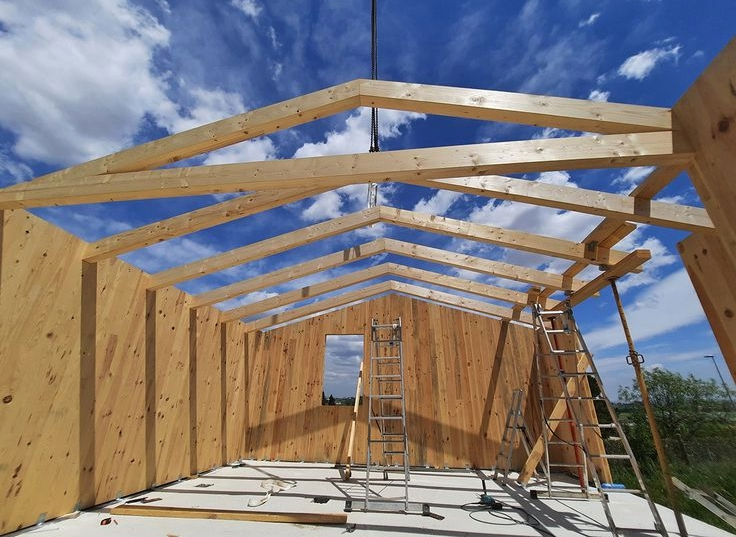
U.S. Wood and Timber Products Market
The United States Wood and Timber Products Market is expected to reach US$ 420.61 billion by 2033 from US$ 306.39 billion in 2025, with a CAGR of 4.04% from 2025 to 2033.
The market is projected to grow steadily, driven by construction demand, sustainable forestry practices, and increasing adoption of engineered wood in diverse applications.
The United States Wood and Timber Products Market is witnessing consistent expansion, supported by the growing construction industry, sustainable forestry initiatives, and rising consumer preference for eco-friendly materials. Wood and timber products are integral to residential, commercial, and infrastructure projects, offering durability, versatility, and aesthetic appeal.
The increasing adoption of engineered wood products, such as plywood, particleboard, and laminated veneer lumber, is transforming the industry landscape by providing cost-effective and sustainable building solutions. Additionally, the market benefits from technological advancements in manufacturing, processing, and design that enhance the strength and performance of wood-based materials.
Environmental awareness and sustainability concerns are reshaping market strategies, encouraging responsible forestry management and certification programs such as FSC and PEFC. Manufacturers are emphasizing renewable resources and eco-friendly production methods to meet green building standards and support the circular economy.
The growing demand for prefabricated housing and modular construction further boosts the use of wood products due to their lightweight, flexible, and energy-efficient characteristics. Additionally, the furniture, packaging, and interior design industries continue to generate substantial demand for high-quality timber and wood-based materials, reflecting evolving consumer lifestyles and design preferences.