
I’ve seen a couple of my nicest wooden cutting boards warp and crack before my very eyes, going as far as to make haunting popping sounds and separate right in front of me. Trust me (and your wallet), you don’t want to be in that sort of predicament.
According to Joshua Kou, operations manager at North Castle Hardwoods, I wasn’t oiling my board enough. “Frequent oiling will ensure that minimal water is absorbed into the wood,” he says. Even though I made sure my cutting boards were dry and had room to breathe right after washing, I simply didn’t oil them frequently enough, which allowed water to absorb and ruin the wood. Now, before you go and grab your mineral oil to treat your board, Kou recommends the plant-based RMP Finishes cutting board oil instead—here’s why.
Kou doesn’t like mineral oil because it doesn’t solidify. Without a drying effect or solidification, not only does the petroleum-based substance leave stains on surfaces, but it also doesn’t last as long on wooden cutting boards. That’s why Kou prefers something plant-based and natural, like this oil from RMP Finishes.
As a blend of grapefruit seed oil, palm fruit oil, almond oil, castor wax and rice bran wax, “RMP cutting board oil will dry to a paste consistency, which lasts longer on your cutting board and also won’t leave oil marks on surfaces,” says Kou.
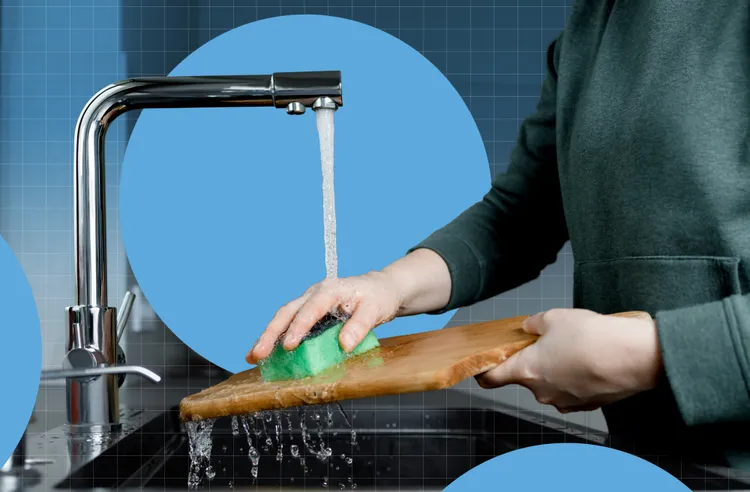
Before you use the product, clean your cutting board with warm, soapy water as usual. “After towel drying, it’s still important to let your cutting board air-dry and make sure both faces of the cutting board are exposed to ensure even drying and reduce [the] risk of warping,” Kou adds. Once the board is completely air-dried, apply a bit of the RMP Finishes oil and rub it in with a clean, dry cloth. Your wooden cutting board will visibly look hydrated and healthy.