

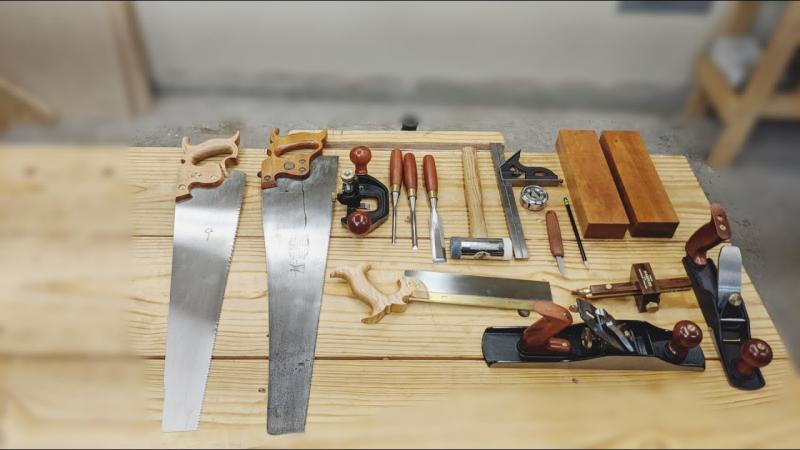
The hand woodworking tool market is experiencing significant growth driven by increasing demand for precision craftsmanship, the resurgence of DIY culture, and the growing popularity of woodworking as a hobby and profession. Woodworking, an age-old craft, continues to evolve with the integration of modern tools, allowing both amateurs and professionals to achieve higher levels of accuracy and efficiency in their work. From chisels and planes to saws and carving knives, hand tools remain indispensable in workshops, homes, and professional studios, offering a level of control and finesse that power tools often cannot replicate.
Artisans and hobbyists are increasingly seeking high-quality, durable, and ergonomically designed hand tools. This trend has encouraged manufacturers to innovate with new materials, advanced designs, and enhanced user-friendly features that reduce fatigue and improve precision. The growing preference for sustainable materials and environmentally friendly production methods also plays a crucial role in shaping the market, as consumers are more conscious of the environmental impact of their purchases.
One of the key drivers of the hand woodworking tool market is the rising interest in DIY projects. With more people exploring woodworking as a creative outlet, the demand for versatile, easy-to-use hand tools has surged. Educational programs, hobby classes, and online tutorials are further promoting woodworking skills, which in turn stimulates sales in the market. Moreover, the home renovation and interior décor sectors are adopting custom woodwork solutions, creating additional opportunities for hand tool manufacturers.
Another factor contributing to market growth is the increasing number of professional woodworkers, carpenters, and furniture makers seeking high-performance tools. Precision is critical in crafting furniture, cabinetry, and decorative wood elements, which drives the need for hand tools that combine durability, sharpness, and ergonomic efficiency. Traditional woodworking techniques, often passed down through generations, are being blended with modern tool technology, creating a niche market for specialized instruments that cater to both modern and classical woodworking styles.
Market Drivers and Growth Factors
The hand woodworking tool market is propelled by multiple factors that create sustainable growth opportunities. Technological innovations have improved the performance, accuracy, and versatility of hand tools. Companies are investing in research and development to produce lightweight, high-strength materials, anti-slip handles, and multi-functional tools that appeal to a broad user base. This technological evolution is essential not only for professional craftsmen but also for enthusiasts and hobbyists seeking high-quality equipment.
Additionally, rising global awareness about artisanal and handcrafted furniture has opened lucrative avenues for the market. Consumers increasingly prefer products that reflect craftsmanship, quality, and uniqueness. This shift in consumer preference encourages woodworking businesses to invest in high-quality hand tools that enhance production capabilities and allow for the creation of intricate designs. Market expansion is further supported by increasing urbanization, as woodworking businesses and small workshops grow in urban centers to cater to home décor and bespoke furniture demands.
Technological Advancements and Innovations
Technological advancements in hand woodworking tools are reshaping the market landscape. Modern tools incorporate innovative materials such as carbon steel, stainless steel, and high-carbon alloys for increased longevity and sharpness. Ergonomic designs minimize user fatigue during prolonged usage, while modular tools offer flexibility for multiple applications, reducing the need for extensive tool collections. Smart tools, integrated with sensors or digital measurement systems, are slowly entering the market, enabling woodworkers to maintain precision in complex projects.
Manufacturers are also focusing on sustainability by using eco-friendly materials and production methods. This approach resonates with environmentally conscious consumers and enhances brand reputation. Furthermore, the integration of digital platforms for tool customization and online marketplaces ensures wider accessibility and availability of premium hand tools globally.
Competitive Landscape
The competitive landscape of the hand woodworking tool market is characterized by the presence of established brands, emerging manufacturers, and regional players. Major companies are focusing on product innovation, strategic partnerships, and acquisitions to strengthen their market positions. Regional players often leverage local craftsmanship and materials to offer unique products at competitive prices, appealing to niche segments. The market is highly fragmented, with competition driving improvements in quality, pricing, and service, ultimately benefiting end-users.
Regional Insights
Geographically, the hand woodworking tool market shows varied growth patterns. North America and Europe are leading regions due to their strong woodworking traditions, presence of skilled artisans, and high disposable income levels. These regions also have a significant number of small and medium-sized workshops, hobbyists, and professional furniture makers who demand premium hand tools. In Asia-Pacific, rapid industrialization, urbanization, and growth in the DIY culture are driving demand for hand woodworking tools, particularly in countries such as China, India, and Japan.
Emerging economies are witnessing increasing interest in woodworking as a hobby, further fueled by online learning platforms and craft communities. This trend has led to a rising demand for affordable yet high-quality hand tools in these regions. Manufacturers are strategically expanding their distribution networks and localizing product offerings to cater to regional preferences and needs, thereby enhancing market penetration.
Applications and End-User Insights
Hand woodworking tools find applications in various sectors, including furniture manufacturing, carpentry, construction, and art and craft. Professional woodworkers, hobbyists, and educational institutions form the primary end-users of these tools. Schools and colleges offering vocational training and specialized courses in woodworking also contribute to market growth by creating early exposure to quality hand tools among students.
The growing popularity of artisanal furniture, customized woodwork, and bespoke home décor has increased the reliance on traditional hand tools. These tools provide control, precision, and the ability to create intricate designs that automated machinery cannot easily replicate. Consequently, the market benefits from a balance between traditional woodworking practices and modern innovations, catering to a wide range of users with diverse needs.
Future Outlook
The future of the hand woodworking tool market looks promising. Continuous product innovation, increased consumer awareness about quality and craftsmanship, and the rise of DIY culture are expected to sustain growth. Companies that invest in research and development, sustainability, and digital integration are likely to gain a competitive edge. Moreover, global trade and online marketplaces will continue to expand accessibility, enabling consumers worldwide to purchase specialized tools with ease.
If you are the copyright owner and wish to request removal, please contact: info@woodworkersnews.com.