
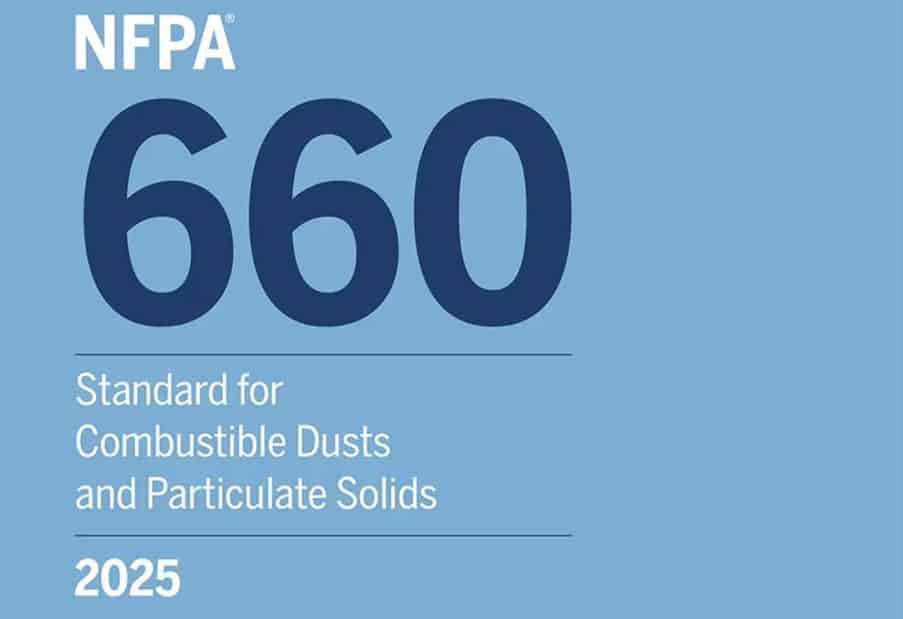
NFPA has consolidated multiple combustible dust standards into NFPA 660, rolling woodworking-related dust safety requirements under one document. For shops, this is a reminder to align dust collection practices, housekeeping, and documentation with a single consolidated framework.
What changed
NFPA 660 is now the consolidated standard that combines several prior combustible dust documents, including NFPA 664 (woodworking and wood processing). Instead of treating woodworking dust guidance as a standalone reference, many requirements are now organized inside one consolidated standard. If your shop tracks compliance by standard number, it is a good moment to update internal references and review your current practices against the consolidated structure. If relevant, link the topic tag: rules and compliance.
Who is affected
- Small commercial woodshops, cabinet shops, millwork operations, production furniture shops, and any facility running central dust collection where fine wood dust can accumulate.
- Processes affected: sanding and wide-belt operations, CNC routing, planing/jointing with high chip loads, enclosed grinding areas, dust collector rooms, ducting runs, filter maintenance, and housekeeping routines.
What it means in a real shop
This is not about buying a new collector tomorrow. It is about confirming that your current dust control program is documented, maintained, and consistent: how you prevent accumulations, how you inspect and service your system, how you manage ignition sources, and how you train employees to keep dust hazards from building up. Consolidation can also change how insurers, AHJs, or safety consultants reference the requirements, so having your paperwork and checklists mapped to NFPA 660 can reduce confusion during reviews.
Action checklist
- Update your documentation: revise any internal policy, safety manual, or binder that references NFPA 664 so it also references NFPA 660 (and note that woodworking dust guidance is now within the consolidated standard).
- Run a dust hazard reality check: walk the shop and note where dust layers build up (overhead ledges, rafters, machines, electrical enclosures, collector room). Set a weekly cleaning standard and assign ownership.
- Inspect the system as a system: confirm ducting is intact and supported, gates work, filters are serviced on schedule, and the collector area is kept clean and accessible. Log maintenance so you can prove consistency if asked.
Legal Notice: This content is curated and published under Fair Use guidelines for news reporting and educational purposes. Source: https://www.nfpa.org/codes-and-standards/nfpa-660-standard-development/660
If you are the copyright owner and wish to request removal, please contact: woodworkersnews@gmail.com.
#Woodworking #Woodshop #WoodworkersNews #ShopSetup #DustCollection #CombustibleDust #NFPA660 #ShopSafety