

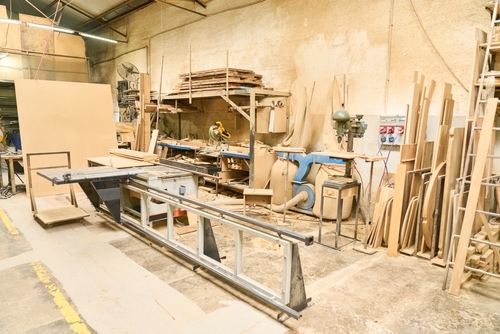
A recent small-shop feature breaks down practical ways to shrink your footprint while keeping core machines and workflow intact.
What happened: Fine Woodworking published a shop-setup walkthrough focused on downsizing from a larger dedicated space into a one-car-garage-sized shop, highlighting space-saving tool integration, mobility, and wall-based storage strategies.
Why it matters: More woodworkers are working in tighter spaces due to moves, shared garages, rent increases, or simply wanting a cleaner workflow. The right downsizing decisions can improve safety, reduce wasted steps, and keep productivity high, even with fewer square feet.
Key details
The feature emphasizes “floor-first” thinking: protect open lanes for moving stock and working safely, then push storage and secondary functions to the walls and cabinets. That aligns with how many shops improve shop layout and shop organization when space gets tight.
Several tactics stood out: combining stations (like integrating a router surface into another tool’s footprint), building quick-remove fences and accessories, and making shutdown controls easier to reach. On dust and debris control, the article highlights adding ports, cabinet capture, and automated switching so dust collection keeps up even when everything is closer together.
Mobility is treated as a core system, not an afterthought: putting larger tools on robust mobile bases and using quality locking casters on benches and cabinets. The goal is a shop that can “reconfigure” quickly for ripping, assembly, or finishing without sacrificing stability.
Finally, wall space becomes prime real estate. The feature points to French cleats and purpose-built racks that keep tools visible, accessible, and off the bench. That supports tighter workflow and reduces time lost searching or clearing clutter.
What to watch
If you are actively downsizing, watch for two common failure points: keeping too many rarely used large machines “just in case,” and under-building mobility and wall storage. The first eats floor space permanently; the second creates constant friction and mess that makes a small shop feel even smaller.
What shops can do now
- Do a “keep list” audit: identify your daily-use tools vs. occasional tools, then decide which big footprints truly earn their space.
- Plan one shared surface: combine functions where it makes sense (router, outfeed, assembly) and prioritize clear infeed/outfeed lanes.
- Upgrade mobility and storage: invest in reliable locking casters, build one wall system (French cleats or cabinets), and keep benchtops clear.
Legal Notice: This content is curated and published under Fair Use guidelines for news reporting and educational purposes.
Source: https://www.finewoodworking.com/2024/11/25/strategies-for-a-small-woodshop
If you are the copyright owner and wish to request removal, please contact: