

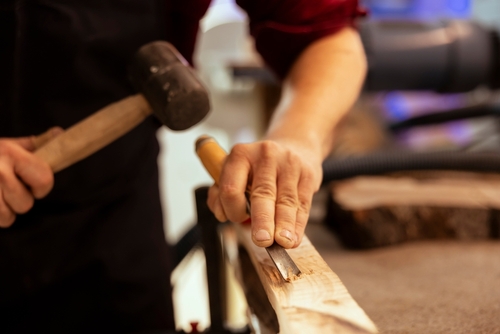
An exhibition dedicated to Japanese carpentry is reminding woodshops why tight layout, smart wood selection, and proven joints still beat shortcuts when durability matters.
What happened: A public exhibition in London is showcasing the craft of Japanese carpentry, including complex traditional joints designed to lock together without nails or screws, highlighting how precision joinery delivers long-term strength and serviceability.
Why it matters: Even if your shop is not building temples, the same fundamentals apply to furniture, built-ins, doors, and frames: accurate layout, clean reference faces, and joints that stay tight through seasonal wood movement. Traditional joinery is also a practical “quality signal” for clients, and it can reduce call-backs by replacing reliance on fasteners alone with mechanical strength.
Key details
The exhibit highlights how traditional Japanese carpentry uses interlocking geometry and controlled tolerances, often with hidden complexity that rewards careful marking and sharp tools. For many shops, the takeaway is not copying museum-level joints, but re-emphasizing fundamentals: consistent knife lines, accurate squaring, and repeatable methods for joinery.
The display also underscores a point working pros already know: joinery choices should match the job. A stout mortise-and-tenon may be the right call for load and racking resistance, while dovetails can shine for drawer strength and long grain glue surface. In either case, good fit and grain awareness matter more than “fancy” shapes.
What to watch
Expect continued interest in classes, demonstrations, and hybrid workflows that combine hand-skill outcomes with modern efficiency. As more makers chase visible craftsmanship, shops may also see higher customer expectations for clean interior joinery and traditional details, especially in heirloom and premium work.
What shops can do now
- Build a “joint test board” system: keep small samples of your go-to traditional joints (through tenon, haunched tenon, half-blind dovetail) so you can match the right joint to the right load case quickly.
- Standardize layout: dedicate a setup for marking and measuring with sharp pencils/knives and reliable squares, and keep the process consistent across the team for repeatable results.
- Use simple jigs and fixtures to improve consistency: even traditional joints benefit from stops, guides, and reference blocks that reduce “freehand drift.”
- Audit your stock prep: most “joinery problems” start earlier. Flatten, square, and verify reference faces before cutting, and train everyone to check for twist and cup.
- For shops leaning hand-tool heavy, schedule edge maintenance and technique refreshers for hand tools so paring and fitting stays controlled instead of forced.
Legal Notice: This content is curated and published under Fair Use guidelines for news reporting and educational purposes.
If you are the copyright owner and wish to request removal, please contact: